













Replacing windows in Chatham-Kent
If a basement window gets wet after rain, check where the water first appears. A stained sill may point to a leak around the unit, while standing water in the well calls for a drainage assessment. Show the estimator photos taken during or just after a storm. The findings help you compare a quote for a replacement window with one that also addresses water collecting outside it.
Permits and heritage
Chatham-Kent requires a building permit for material alterations that affect structural design, exiting, or building use, among other changes. Its permit page covers alterations broadly. For a same-size replacement, ask Building Development Services to confirm the requirement for your scope. Flag any plans to cut a wider foundation opening or change a window used for escape when you contact the municipality. [Chatham-Kent’s building permit guidance](https://www.chatham-kent.ca/apply/permits/Pages/Building-Permit.aspx)
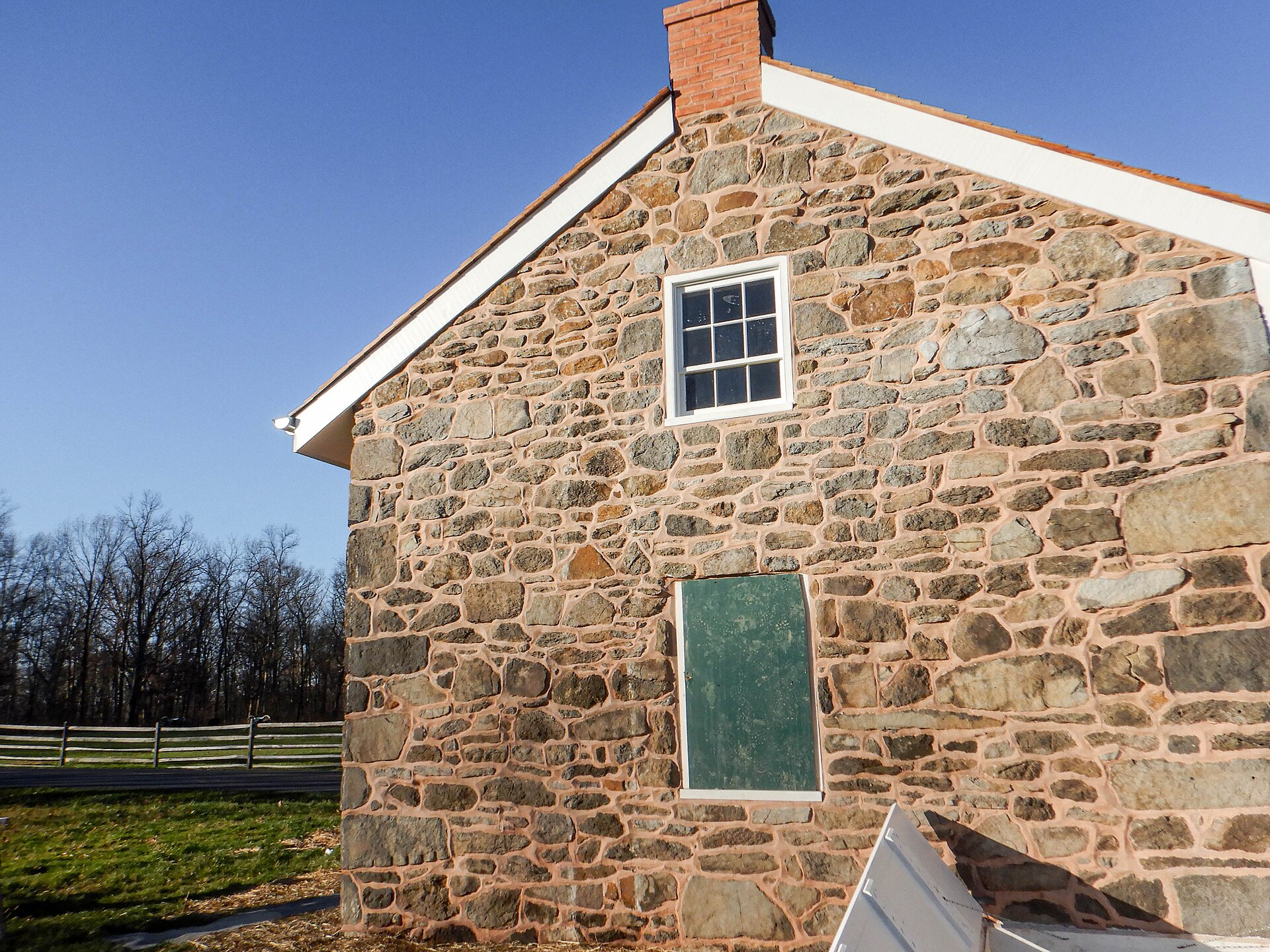
Chatham-Kent protects designated properties from alteration through designation bylaws. If your address is designated, ask municipal heritage staff whether the proposed replacement affects a protected feature and whether you need permission before ordering. In a home with an original decorative window, include a close-up of the sash or glass along with a photo of the whole wall. [Chatham-Kent’s heritage conservation guidance](https://www.chatham-kent.ca/business/planning/Pages/Heritage-Conservation.aspx)
Lots and drainage
The Lower Thames Valley Conservation Authority identifies Thamesville and low-lying areas of Chatham along the river as susceptible to Thames River flooding. If your window sits near grade in a flood-prone area, check the conditions at your address before deciding to lower an opening or dig a deeper well. Ask where water would go when the ground is saturated and who will assess the drainage if the installer’s scope ends at the frame. [Lower Thames Valley Conservation Authority’s flood control program](https://lowerthames-conservation.on.ca/water-management/flood-control-program/)
The space beside the house can matter more than overall lot size. Measure the gate and check where excavated soil or removed windows can go. On a property with a long unpaved drive, show the estimator where the truck can unload when the ground is soft. Ask them to include any hand-carrying, lawn protection, or equipment charges in the written price.
When to schedule
For a project that includes a new well or changes to the grade, plan around ground conditions as well as the window delivery date. A dry stretch makes it easier to move equipment and restore the yard. If the work falls in a wet or cold spell, ask what the crew can finish that day, how they’ll protect any exposed wall, and when they’ll return to complete the exterior work.
What drives the price
Compare the window and installation price with separate lines for foundation cutting, excavation, and drainage. Custom dimensions and repairs to water-damaged framing can add labour. If a quote includes a new well, check whether it also covers disposal of excavated material and restoring the path or lawn. These details matter when one contractor prices only the window and another includes the surrounding work.
What to ask for in writing
Give each company the same measurements and photos, then ask them to confirm the scope on site.
- What evidence points to a leaking frame, a drainage problem, or both?
- What well and drain work is included, and who verifies where the water discharges?
- If the project needs approval or inspection, who arranges it and pays the fees?
- Will you reuse the existing frame, and how will you price hidden damage if you find it?
- Are access protection, haul-away, exterior finishing, and yard restoration included?
- Who handles a warranty call if water gets past the installed frame?