


Replacing windows in East Gwillimbury
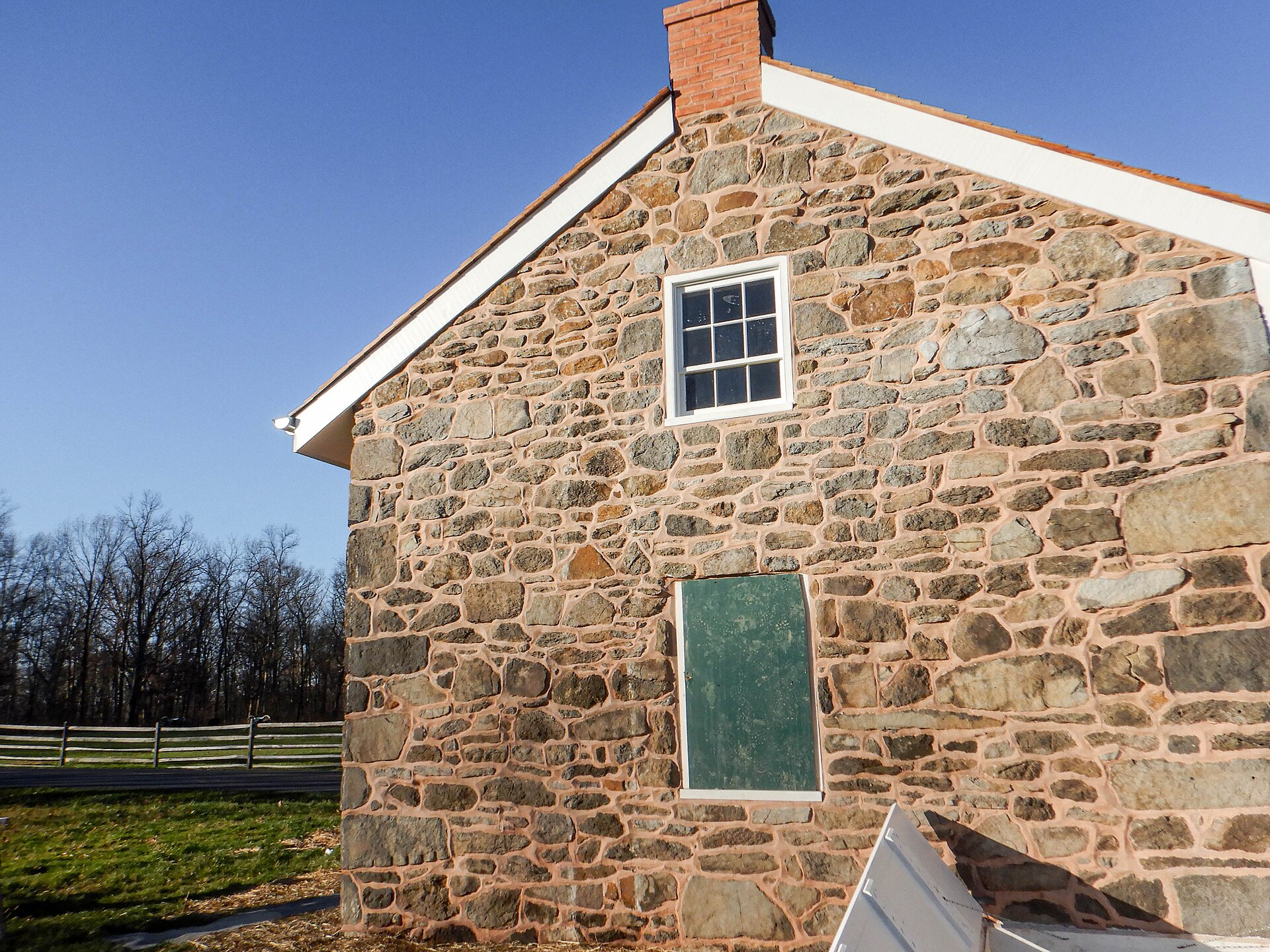
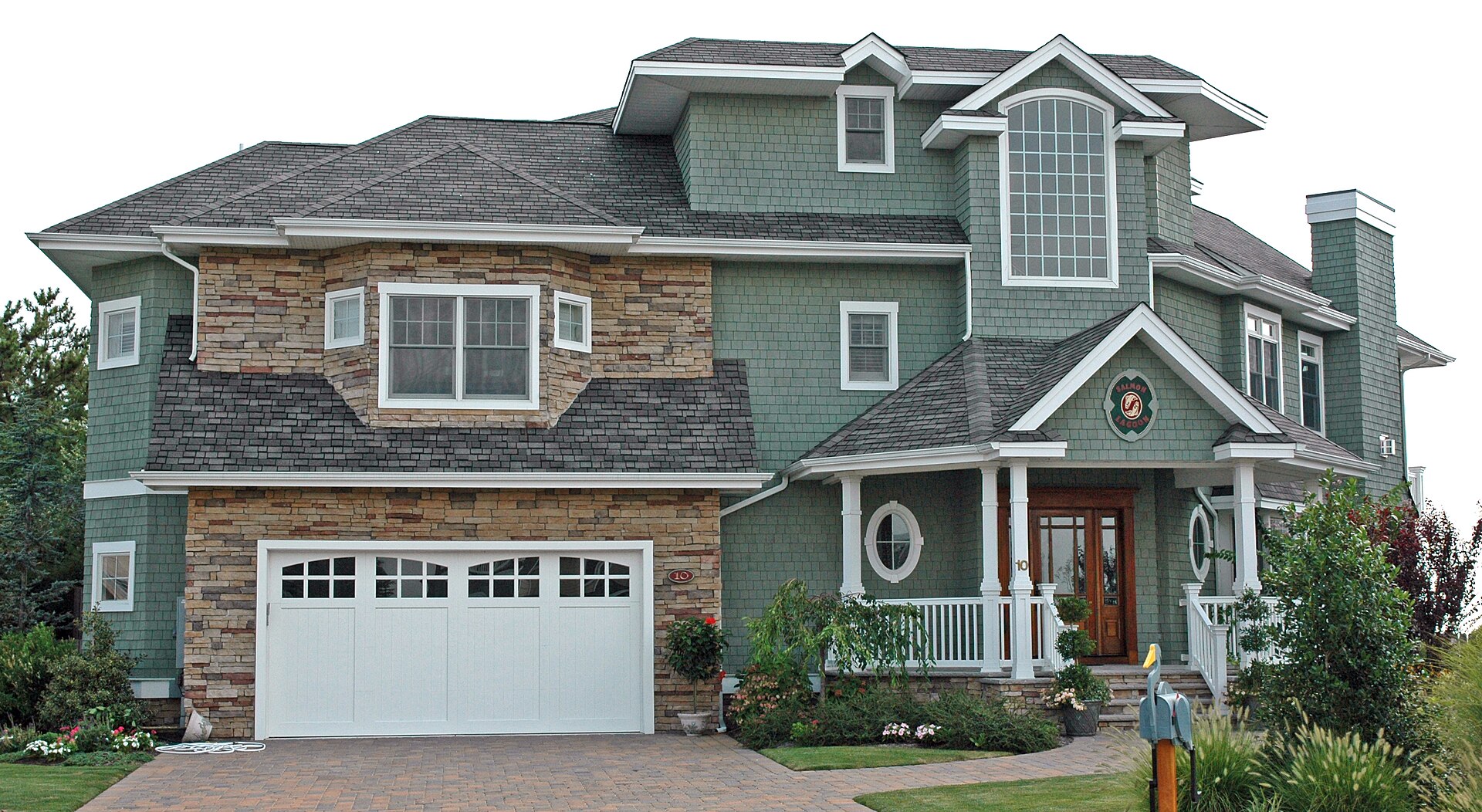
The Town of East Gwillimbury, population 34,637, is located in northern York Region immediately north of Newmarket and south of Lake Simcoe. Encompassing the historic communities of Holland Landing, Sharon, Queensville, Mount Albert, and River Drive Park, the municipality combines pastoral countryside with rapidly expanding suburban neighbourhoods. East Gwillimbury features a diverse residential architectural mix: historic 19th-century Victorian brick residences and heritage timber-frame farmhouses (surrounding historical landmarks like the Sharon Temple); postwar cottages and 1970s split-levels in Holland Landing and River Drive Park; executive rural estates on 1- to 5-acre lots; and modern master-planned subdivisions of large two-storey brick and siding homes in Queensville and Sharon. Window replacement projects in East Gwillimbury range from addressing aging, drafty builder-grade vinyl windows in 1990s subdivisions to undertaking precision full-frame architectural replacements on historic rural homes and upgrading lakeside units against Lake Simcoe weather.
Permits and bylaw rules
The Town of East Gwillimbury provides explicit guidance regarding residential window work. On its municipal [Building Permits](https://www.eastgwillimbury.ca/en/municipal-services/building-permits.aspx) page, the Town explicitly states that a building permit is not required for: "Repairs or replacement of windows and doors provided the size of the openings remain the same." However, a building permit is legally mandatory whenever structural changes occur—such as enlarging an opening, altering a load-bearing header or lintel, cutting a new opening in an exterior wall, or saw-cutting concrete foundation walls to create a basement bedroom egress window.
When structural work is involved, applications must be submitted digitally through the Town of East Gwillimbury CityView portal. Basement egress installations must satisfy Ontario Building Code subsection 9.9.10.1, providing an unobstructed clear opening of at least 0.35 square metres (3.77 square feet) with no dimension less than 380 millimetres (15 inches). In addition, properties located near waterways, wetlands, or Lake Simcoe watersheds fall under the jurisdiction of the Lake Simcoe Region Conservation Authority (LSRCA), where development permits or site-alteration reviews may be required before excavating window wells or altering exterior grades.
Lots, soil and climate
Low-lying lots near the East Holland River can stay wet, so ask how the contractor will drain a basement window well. Below-grade egress window wells need robust weeping tile drainage and deep clear-stone backfill to keep heavy spring meltwater and rain from penetrating basement sills.
The climate in East Gwillimbury features warm, humid summers and cold, windy winters with elevated snowfall influenced by Lake Simcoe squalls. Cold northwesterly winds sweeping across open agricultural fields and nearby Lake Simcoe subject window assemblies to high wind loads and sharp convective cooling. To maintain comfortable indoor temperatures and reduce energy consumption, homeowners should install ENERGY STAR certified Zone 2 windows featuring multi-pane Low-E coatings, warm-edge non-metallic spacers, and argon gas fills. High-efficiency triple-pane glass is especially advantageous on exposed rural acreage and north-facing elevations to eliminate drafts and stop condensation.
The season
East Gwillimbury's prime exterior window installation season runs from April through November, offering optimal weather for foam expansion, exterior caulking, and custom aluminum capping. Spring triggers strong activity from homeowners looking to lower summer air conditioning costs, while late summer and autumn bring high demand before the heating season begins. Cold-weather winter installations are routinely performed by reputable contractors who stage the work room-by-room to keep living areas warm. Winter installations require specialized low-temperature polyurethane expanding foam and exterior sealants rated to cure at temperatures down to -10°C or below to ensure durable perimeter air seals.
What drives the price and what to ask
Replacement window pricing in East Gwillimbury is determined by window style, frame construction, and architectural complexity. Large casement, awning, and architectural picture windows common in executive country estates and modern Queensville homes cost more than basic sliding units. Other important cost factors include full-frame replacement versus pocket insert retrofits, concrete foundation saw-cutting for basement egress windows, high-efficiency triple-pane glass options, and second-storey exterior access requirements.
Ask each window replacement company:
- Does my project qualify as a same-size permit-exempt replacement under Town of East Gwillimbury rules, or will your quote include permit submission through CityView?
- What U-factor, Energy Rating (ER), and Solar Heat Gain Coefficient (SHGC) do you recommend for our northern York Region climate?
- For basement egress window wells on low-lying lots, what drainage measures do you include?
- Are you proposing a full-frame tear-out or a pocket insert installation, and how will the exterior perimeter be insulated and capped?
- Are your installers company employees or subcontractors, and do they hold valid WSIB clearance and commercial liability insurance?
- What written warranties cover insulated glass seal failure, frame warping, and labour, and can the warranty be transferred to future homeowners?