



Replacing windows in Niagara Falls
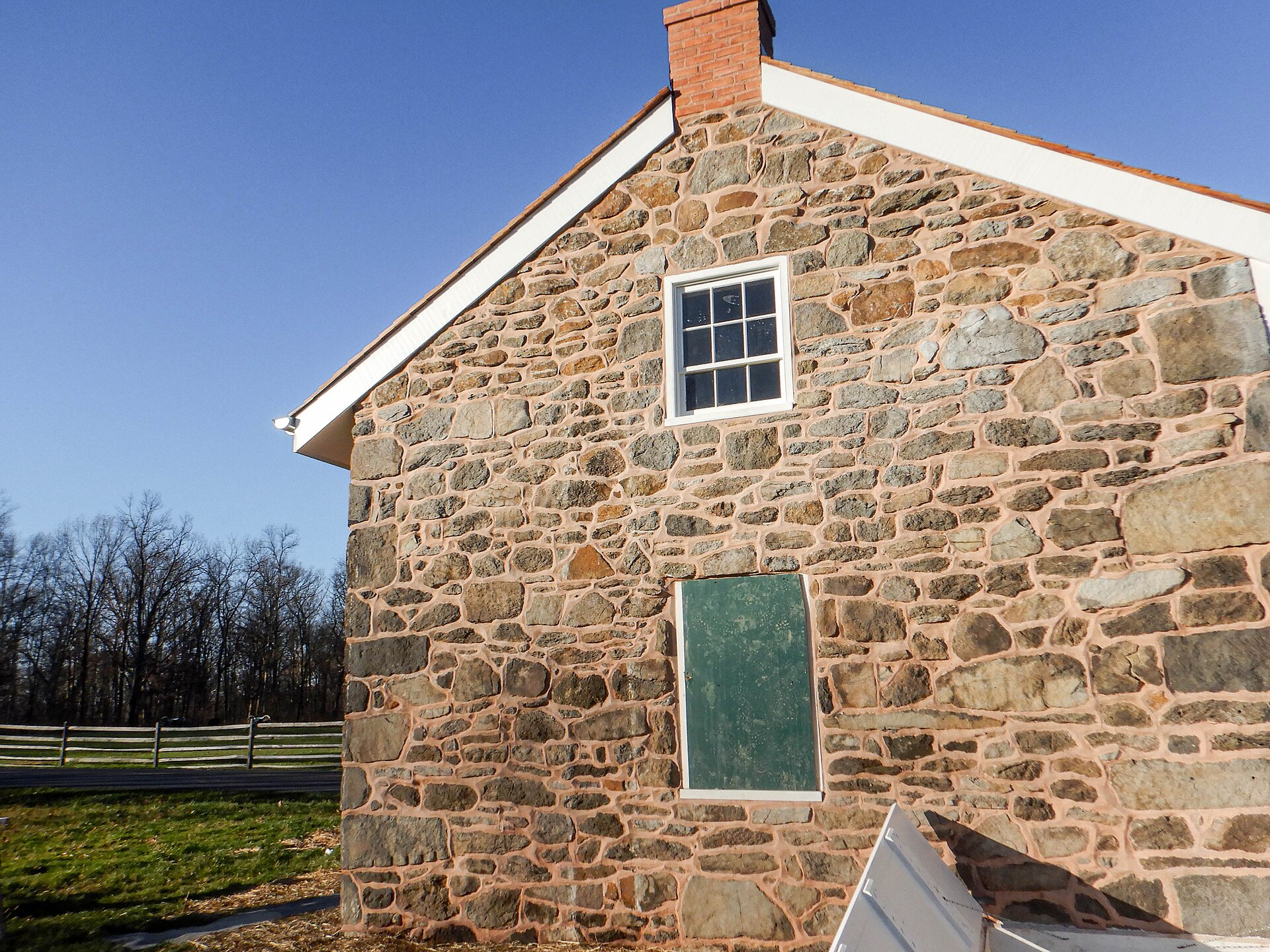
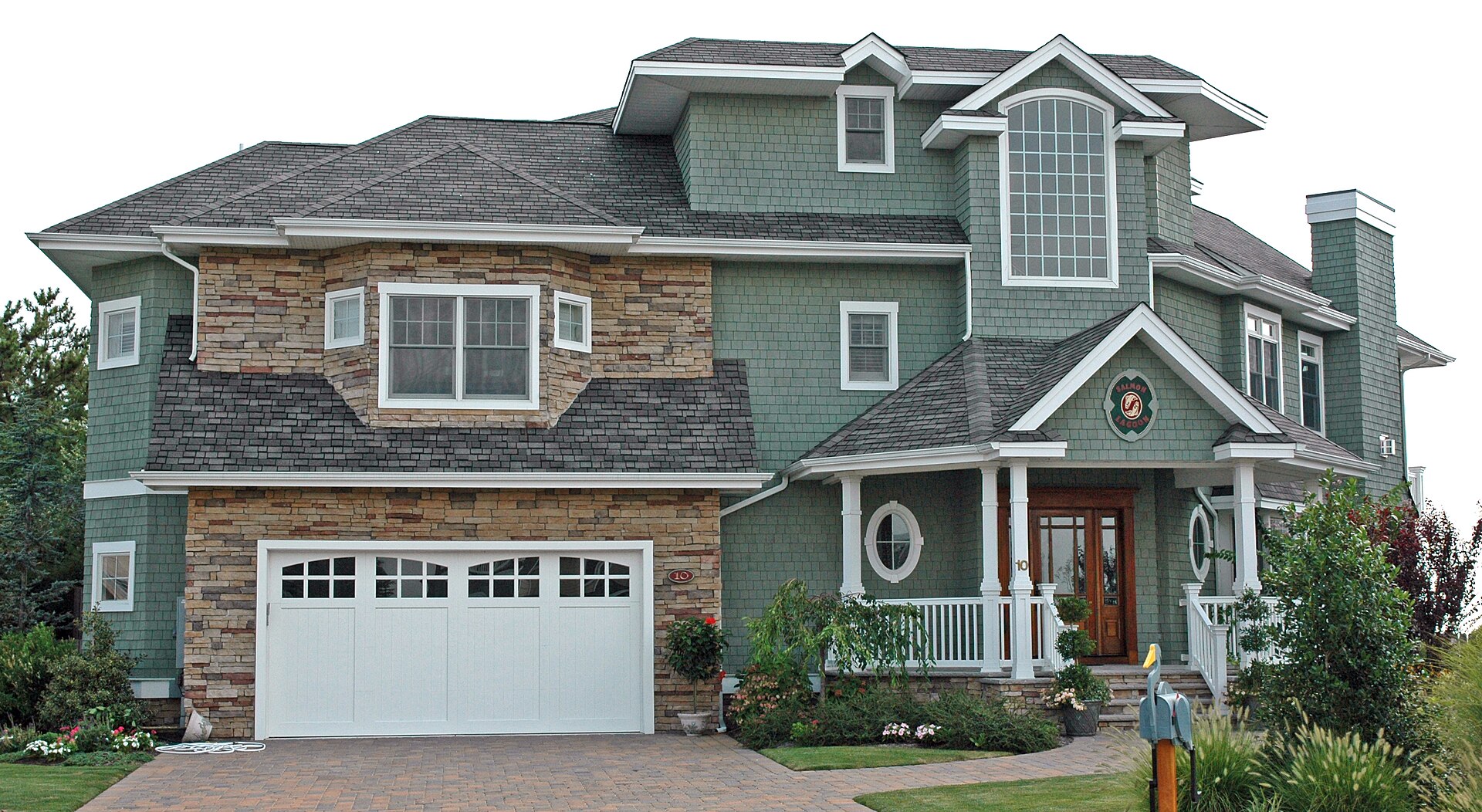
Niagara Falls, population about 94,415, is both an international tourism city and a set of ordinary residential neighbourhoods. The [Niagara River gorge](https://en.wikipedia.org/wiki/Niagara_Gorge) begins at the falls and runs north to the Niagara Escarpment near Queenston, at the north end of the city. Housing runs from century brick and stone homes in Stamford through post-war bungalows and 1960s-to-1980s family subdivisions to brand-new builds on the city's edges. Replacement demand comes from all three layers — drafty originals in the old stock, failed seals in the middle decades, and builder-grade upgrades in newer homes.
Permits and bylaw rules
The City of Niagara Falls' [Do I Need A Building Permit? page](https://niagarafalls.ca/building-planning-and-business/building-and-renovating/do-i-need-a-building-permit) states that "replacing existing windows to the same size and location where no fire resistance rating is required" needs no permit. A permit is required for "creating new door or window openings or increasing the size of openings" and for "relocating door or window openings" — the usual triggers being basement bedroom egress work and any project that makes an opening bigger or moves it. Note the fire-resistance condition: in attached and multi-unit buildings, ratings can change the answer, so confirm scope with the City's Building Services before signing.
Lots, soil and climate
Two geographic facts shape window work here. First, the ground: cutting a basement egress window means cutting the foundation wall, and on some lots it means digging into dense clay or shallow rock, so ask the installer to check ground conditions before quoting. Second, the snow: the city [averages roughly 140 centimetres of snow a year](https://currentresults.com/Weather/Canada/Ontario/snowfall-annual-average.php), and homes near the gorge or the open river valley take strong wind loads with it. Ice damming and repeated freeze-thaw make sill condition and sealing quality the difference between a fifteen-year install and a five-year one. Homes near the tourism corridors, Victoria Avenue or the QEW add a noise dimension — sound-rated laminate glass is a common upgrade there.
The season
Niagara's mild shoulder seasons usually stretch the install window from April into November. Peak demand runs late spring through October. Winter installs are workable room by room with containment, though deep-cold snaps limit which sealants and foams can be used; quoting in late winter usually buys the shortest lead times.
What drives the price and what to ask
The big cost fork is insert retrofits versus full-frame replacement back to the rough opening — century Stamford homes with deep masonry sills almost always need the full-frame route, while newer subdivisions take inserts. Beyond that: foundation cutting for basement egress, wind-rated frames and glazing near the gorge, sound-rated glass near the tourism core, and custom openings in older stone construction each add to the bill.
Ask each window replacement company:
- Same-size replacement or an enlarged, new or relocated opening — and if a permit is needed, who files it with the City of Niagara Falls and what does the fee schedule say it costs?
- If my basement window serves a bedroom, does it meet the Ontario Building Code egress minimums of 0.35 square metres openable area and no dimension under 380 millimetres, and what does reaching that cost in my foundation?
- Are you quoting pocket inserts or full-frame replacement, and how do you handle rotted sills and degraded brick mould on century homes?
- What frame reinforcement and glazing package do you specify for exposed river-edge lots?
- For noise, what sound-rated glass options do you offer, and what difference will I actually notice near the tourist district?
- What does the written warranty cover — glass, seals, hardware, labour — is it transferable, and are your crews your own, WSIB-registered and insured?