






Replacing windows in Peterborough
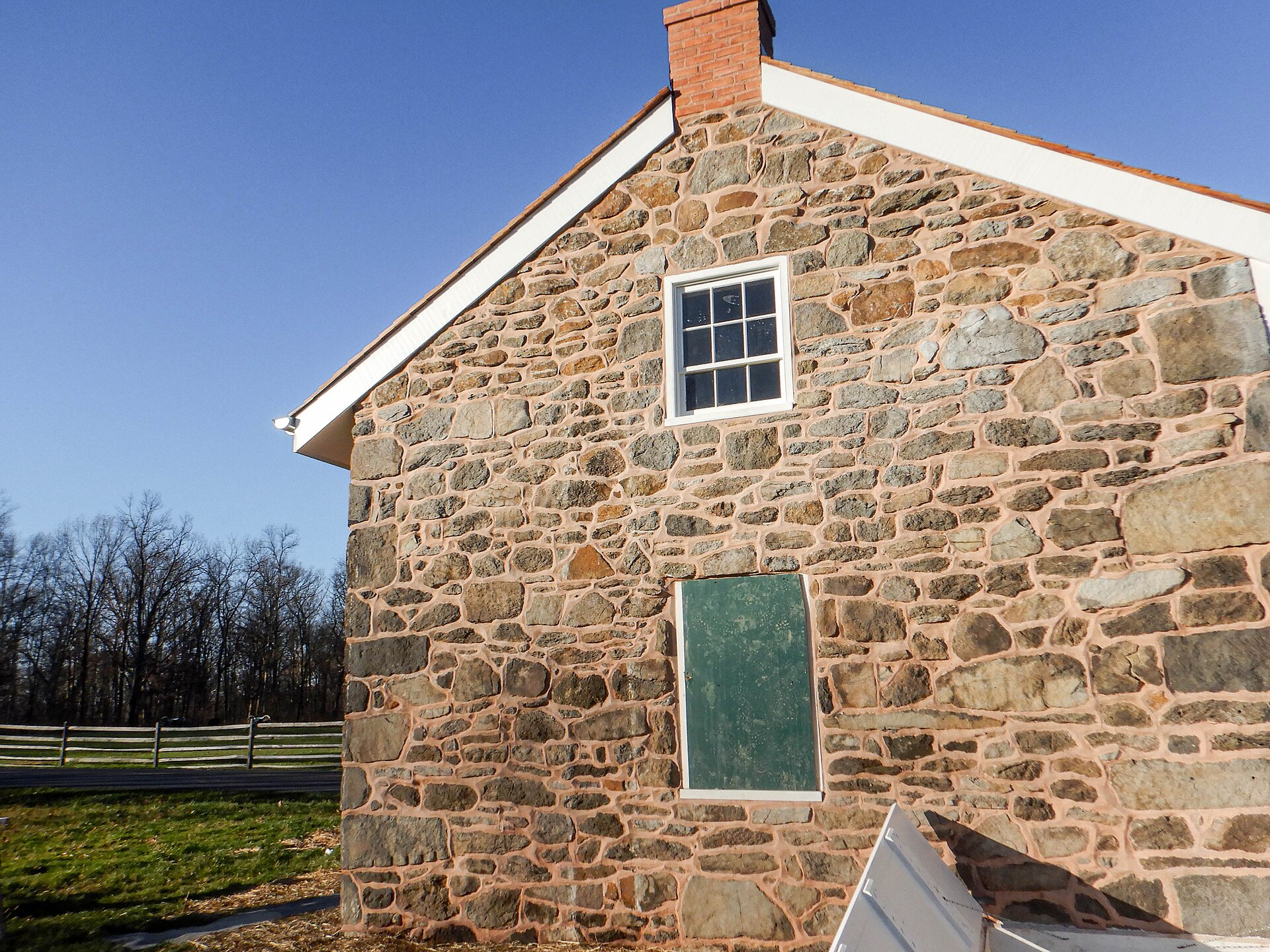
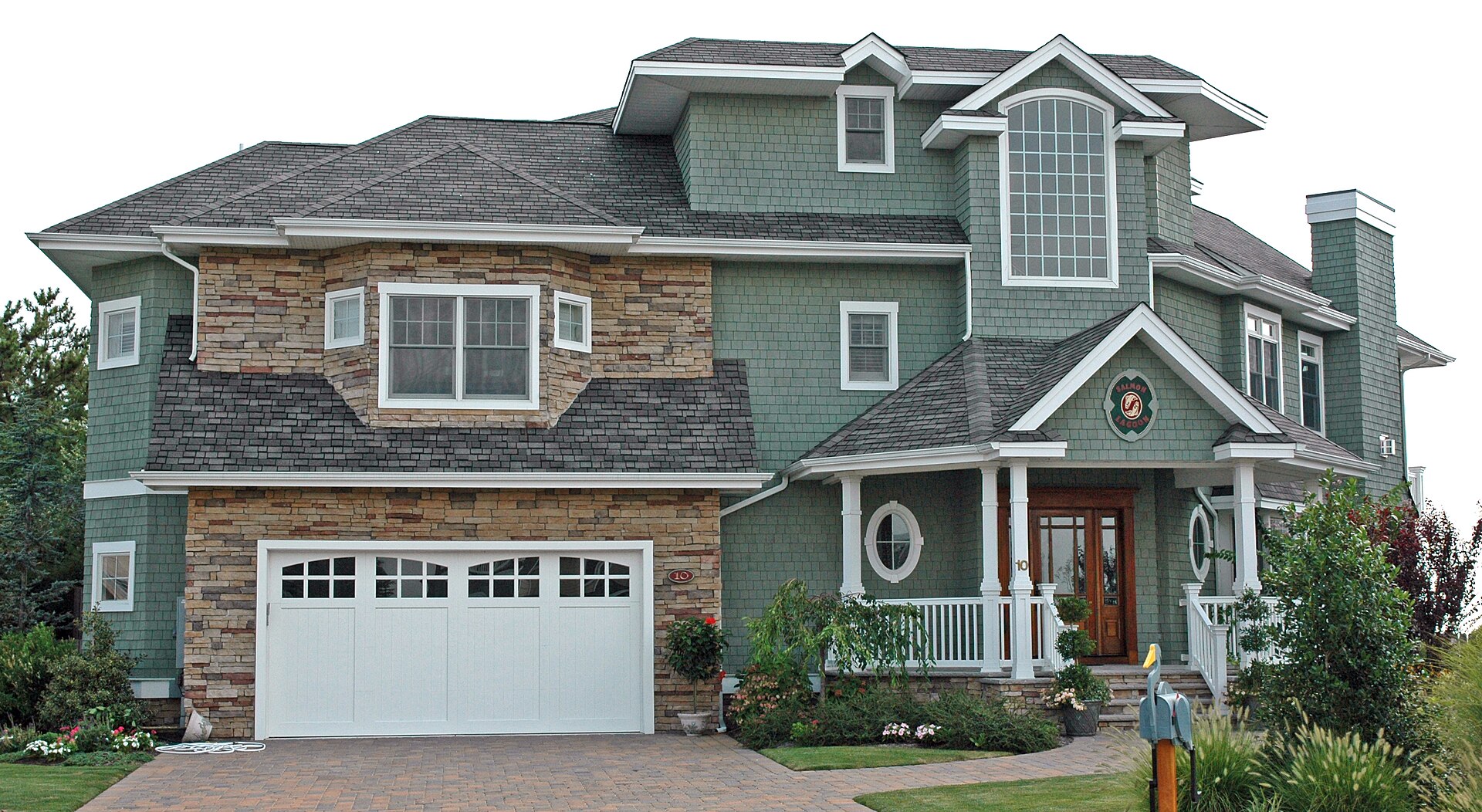
Peterborough, population about 83,651, sits on the Otonabee River where the Trent-Severn Waterway passes through the Kawarthas, about an hour and a half northeast of Toronto. The stock runs old to new: Victorian and century homes in the Old West End and East City across the river, post-war bungalows through the central grids, 1960s and 1970s subdivisions in Westbrook and the north end, and newer builds spreading south. Much of the replacement market is full-frame work on homes whose original windows are two generations past their service life.
Permits and bylaw rules
The City of Peterborough's [Building Services and Permits page](https://www.peterborough.ca/business-building-development/planning-building-and-development/building-services-and-permits) lists "replacing existing same size doors, subject to distance from lot lines, and same size windows, not acting as egress windows, subject to distance from lot lines" among projects that do not require a permit. A permit is required for "making new openings for, or changing the size of, doors and windows." Read the exemption's fine print: it carves out windows that act as egress windows, so if a basement bedroom window is part of your plan — even a same-size unit where the opening must now meet escape dimensions — confirm with Building Services before work starts rather than assuming the exemption covers it.
Lots, soil and climate
The ground rises to the west, north and east of the city centre into the [Peterborough Drumlin Field](https://en.wikipedia.org/wiki/Peterborough,_Ontario), an upland of glacial drumlin hills. Soils that hold water move with frost and drought, and that movement shows up at the rough opening over the years, so a durable install here is as much about flexible sealants, shimming and letting the opening move as it is about the window itself. Low-lying lots near the Otonabee and Jackson Creek need window wells that drain properly. Away from the Great Lakes, winters run colder than the lakeshore cities — deep January and February freezes compress the outdoor-comfort window and make low-temperature sealants and foams a real requirement for winter work, while freeze-thaw cycles each spring and fall test every sill in a century home.
The season
The comfortable install season runs May through September, shorter than the lakeshore cities, with October still workable in a mild year. Late spring through early fall is peak demand, and whole-home retrofits book out weeks ahead. Winter replacement stays routine a room at a time with containment. Quoting in late winter tends to get the fastest turnaround before the spring rush, and it is the right time to ask about triple-pane upgrades, which are worth pricing out in a colder inland climate.
What drives the price and what to ask
The dominant cost driver is the age of the housing stock: century homes need full-frame replacement, interior finish repair and often sill and framing restoration, while post-war and 1970s homes take faster insert retrofits. Beyond that, basement egress work adds permits, cutting and well drainage in clay; steep East City lots and narrow side yards add access labour; and cold-climate glazing — triple pane, warm-edge spacers, Low-E — is a bigger factor here than in warmer parts of the region.
Ask each window replacement company:
- Same-size replacement or a new or changed opening — and given the City's exemption wording, does my basement bedroom egress window need a permit even at the same size?
- Are you quoting insert retrofits or full-frame replacement, and what did you find in the sills and rough openings of a century home?
- How do you detail the install — sealants, shimming, drainage — for clay soil that moves with the seasons?
- If my basement window serves a bedroom, will it meet the Ontario Building Code egress minimums of 0.35 square metres openable area with no dimension under 380 millimetres?
- What glazing package do you recommend for this climate, and what does upgrading to triple pane add?
- What does the written warranty cover — glass, seals, hardware, labour — is it transferable, and are your crews your own, WSIB-registered and insured?