



Replacing windows in Woodstock
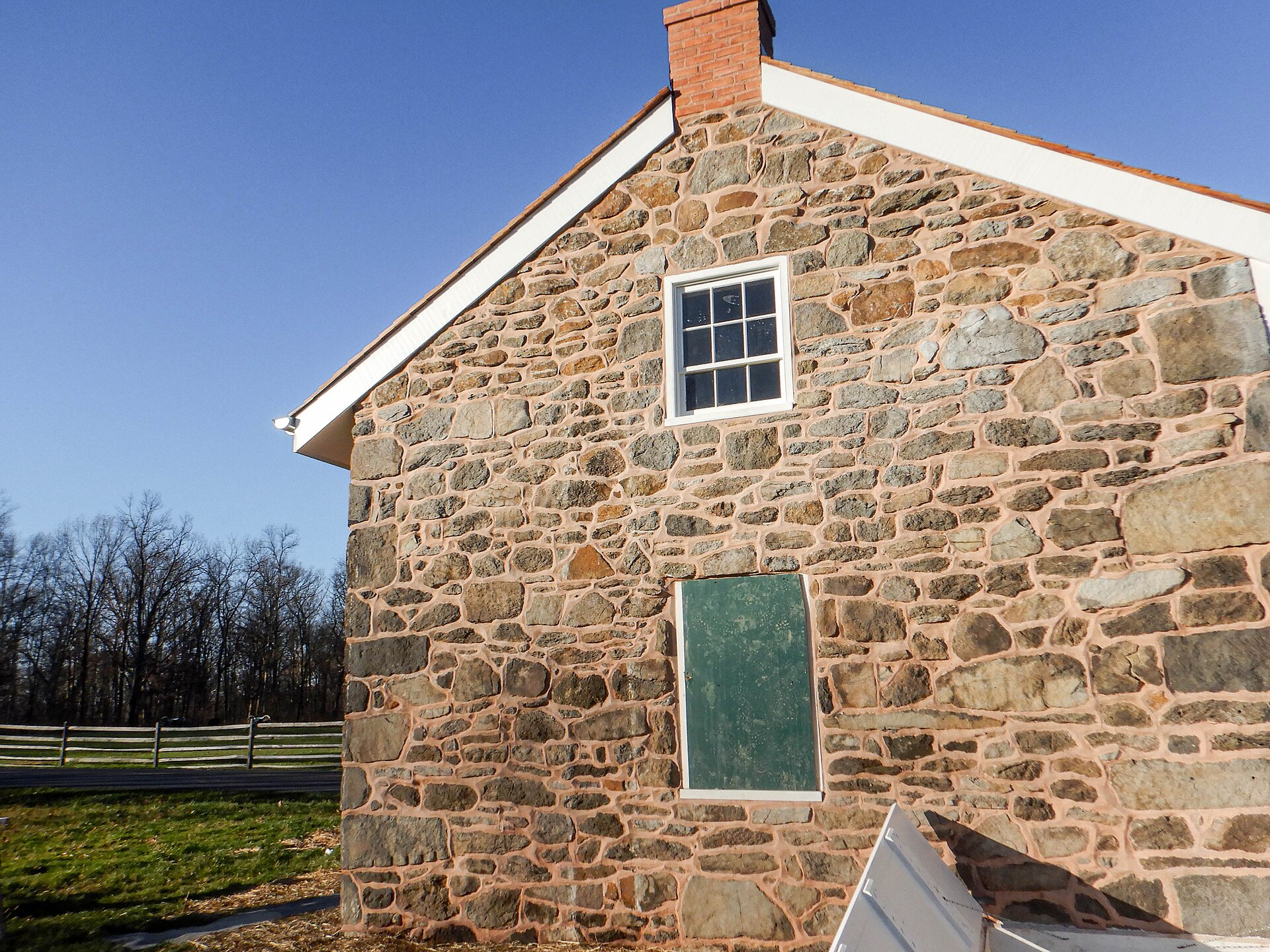
Woodstock, population 46,705, is the county seat of Oxford and the old Dairy Capital of Canada — an inland city with a downtown of 19th-century brick commercial blocks ringed by neighbourhoods of Victorian and Edwardian brick homes, then postwar bungalows and 1970s–1990s subdivisions going out toward the highway. The brick era matters for window buyers: many older Woodstock homes have windows set into masonry openings with stone sills and thick walls, so replacing them is a masonry-aware job — full-frame replacement, careful flashing, and repointing — rather than a drop-in retrofit. The 1960s–80s stock is the simpler half: standard-sized openings, insert replacements, quick work.
Permits and bylaw rules
The City's Building Department (944 James Street) publishes a plain-language guide, [When is a Permit Required?](https://media-003-ca.cdn.govstack.com/cityofwoodstock-ca/media/bxjby3x2/when-a-permit-is-required-engineering-2026.pdf), linked from the City's [building applications and permits page](https://www.cityofwoodstock.ca/your-government/applications-licences-and-permits/building-applications-and-permits). For residential alterations it says a permit is needed for structural changes, and it names them: alterations that include "adding windows & doors" and the "installation of Egress Windows." A same-size replacement — same opening, no structural change — does not appear on the required list and normally proceeds without a permit. Read that split correctly: like-for-like is simple, but a bigger living-room window or a basement egress cut-in is a permit job with drawings, and the Ontario Building Code sets the egress sizing, window-well and drainage rules that come with it. Older designated properties carry Ontario Heritage Act restrictions on altering original windows; if your home is designated or listed, settle that question before signing a contract.
Lots, soil and climate
Woodstock sits on the Oxford till plain, and heavy clay is the rule — foundations here heave and settle with the seasons, so walls rack slightly year to year and openings need flexible flashing detail rather than a rigid bead of caulking. Clay also turns excavations into mud each spring, which matters when a window well has to go in for basement egress: schedule the digging for dry ground. Being inland, Woodstock runs colder than the lake-moderated cities on a January night, and snow squall streams off Lake Huron still reach Oxford County. That climate rewards higher-R glazing, warm-edge spacers and low air leakage — the difference shows up on the gas bill, not just the brochure.
The season
Installers book heaviest from May through September, with the August-to-October rush of owners racing the heating season. Winter replacement is normal practice, a floor or a room at a time, but deep-cold days limit exterior sealing and any masonry repointing around the opening, so brick work on older homes belongs in the warmer months.
What drives the price and what to ask
Woodstock quotes swing on full-frame versus insert (masonry-era homes usually need the frame), brick and stone work around the opening, custom sizing for non-standard historic rough openings, egress cut-ins with wells, interior trim restoration, and second-storey access. Because crews travel from Woodstock, Kitchener-Waterloo, Brantford and London, distance pricing shows up here more than in big cities.
Ask each window replacement company:
- Same-size replacement or a new or enlarged opening — and if a permit is required, who prepares the drawings and files with the City's Building Department?
- Is full-frame or insert right for my brick walls, and what happens to the masonry and sills around the opening?
- If my home is designated or heritage-listed, have you handled that approval path?
- Can you cut in basement egress — well, drainage, code sizing — and does clay soil change the well design?
- Do you insulate and air-seal the rough opening, and is that a line item in the quote?
- What does the written warranty cover — glass, seals, hardware, labour, masonry — and is it transferable? Are your crews WSIB-registered and insured?